جستجو در سایت

September 15, 2026
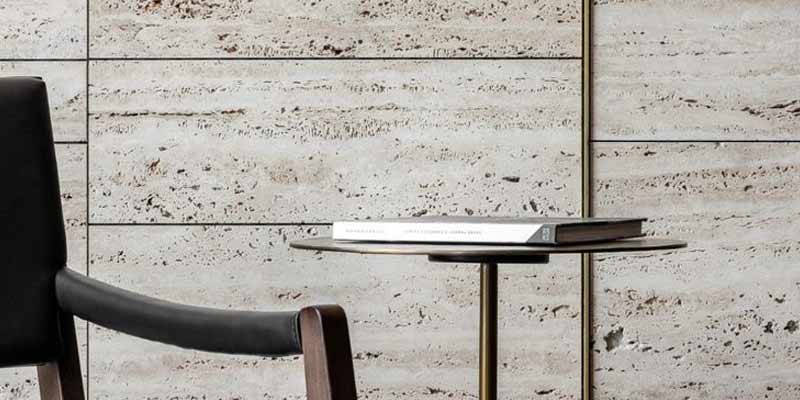
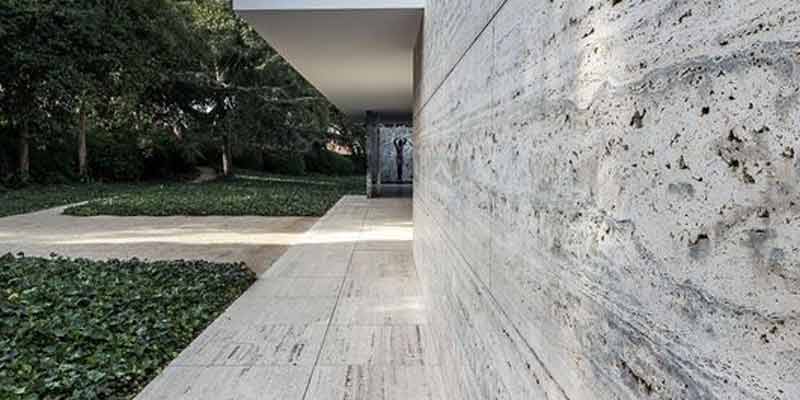
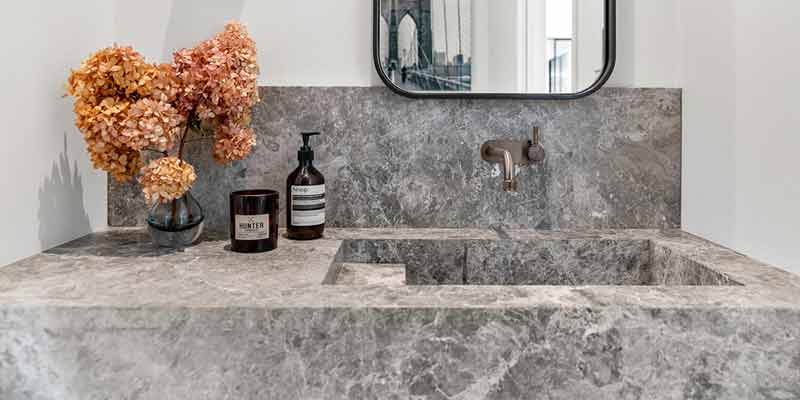
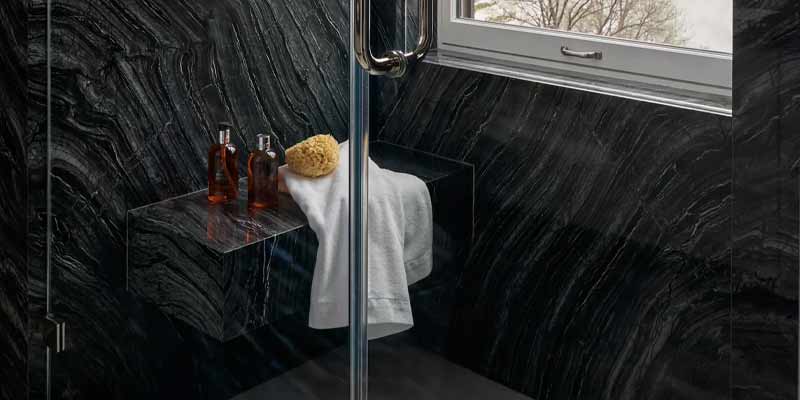
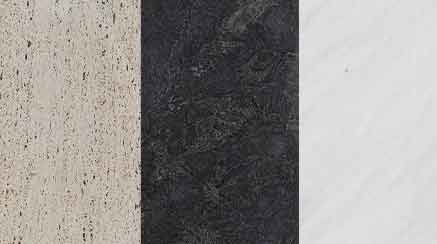
To quickly evaluate and select the right stone based on the structure’s usage, the key features of these three stones are compared in the table below:
|
Technical Parameter |
Travertine |
Marble |
Granite |
|
Geological Origin |
Porous Sedimentary Limestone |
Dense Metamorphic |
Very Hard Intrusive Igneous |
|
Abrasion Resistance |
Medium |
Medium to Good |
Very High |
|
Weathering & UV Resistance |
Very High |
Low (Prone to fading) |
Excellent |
|
Adhesion to Mortar |
Excellent (No mandatory anchor needed at low heights) |
Medium (Requires caution) |
Very Weak (Requires metal anchors) |
|
Water Absorption & Staining |
High (Requires resin processing) |
Low to Medium |
Near Zero |
|
Sensitivity to Acid & Cleaners |
Sensitive |
Sensitive |
Completely Resistant |
|
Optimal Functional Location |
Exterior Facades and Outdoor Areas |
Interior Spaces, Lobbies, and Walls |
High-traffic flooring, Parking, and Counters |
A specialized approach to selecting building stone is based on matching the stone’s performance with the project’s physical requirements. No stone is absolutely superior to another; rather, each stone provides maximum efficiency in its correct position.
Using travertine on facades ensures durability and connection safety; employing marble in interior spaces provides beauty and luster; and granite guarantees structural survival in high-traffic and abrasion-prone applications. The technical strategy of “Sabalan Stone” is based on a deep understanding of these behaviors and providing solutions aligned with engineering standards, so that while preserving the project budget, the building’s long-term depreciation costs are kept to a minimum.
 About
About